Dental implants can replace missing teeth with restorations designed to look and function like natural…
Why Regular Oral Cancer Screenings Are Essential
Regular oral cancer screenings help detect abnormal changes in the mouth at an early stage, when treatment is often more effective. Visiting a dental office in Brownstown for routine exams allows your dentist to identify potential concerns before they become more serious, supporting both your oral and overall health.
Oral cancer can develop without noticeable symptoms, making regular screenings an important part of preventive dental care. Many patients focus on preventing cavities and gum disease, but oral cancer screenings are equally valuable because they can identify warning signs early. A quick, painless examination during your routine dental visit can provide peace of mind and improve the chances of successful treatment if an abnormality is found.
 Why Are Oral Cancer Screenings Important?
Oral cancer can affect the lips, tongue, cheeks, gums, roof of the mouth, floor of the mouth, and throat. Detecting changes early allows for prompt evaluation and treatment before the condition progresses.
Early Detection Can Save Lives
One of the biggest benefits of regular screenings is the opportunity to identify suspicious tissue before symptoms become severe. Early-stage oral cancer is often easier to treat and may require less extensive treatment than advanced cases.
Routine screenings also help distinguish harmless changes from those that require additional evaluation, allowing patients to receive timely care.
Many Symptoms Go Unnoticed
Oral cancer does not always cause pain in its early stages. Because symptoms may be subtle, many people are unaware that something is wrong.
Common warning signs include:
- A sore that doesn’t heal
- Persistent mouth pain
- Difficulty chewing or swallowing
- A lump or thickened area in the mouth or neck
- Persistent hoarseness
- Numbness in the mouth or lips
If you notice any of these symptoms, it’s important to schedule a dental evaluation promptly.
What Happens During an Oral Cancer Screening?
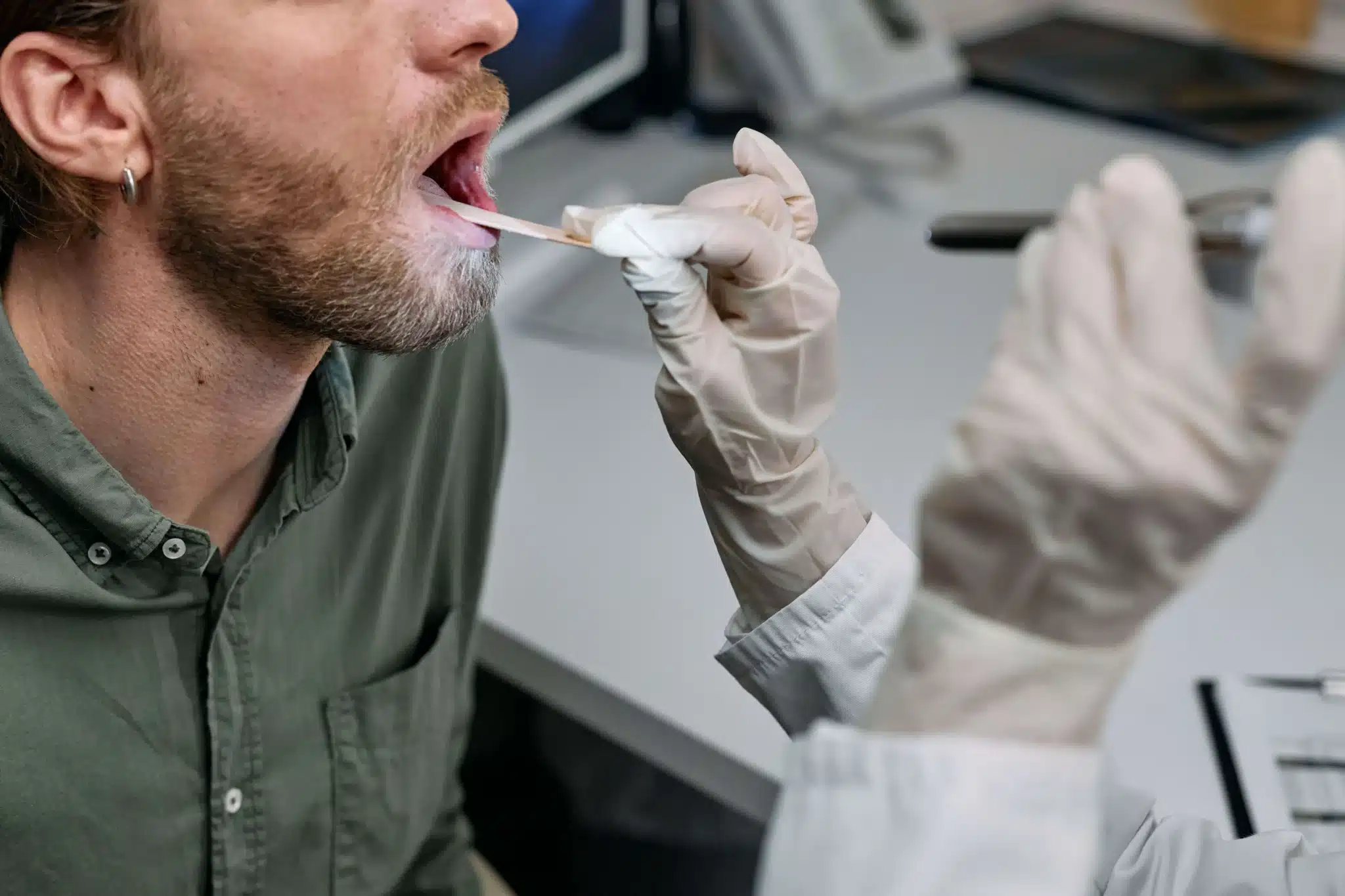
An oral cancer screening is a simple, non-invasive examination that can be completed during a routine dental checkup.
Visual Examination
Your dentist carefully examines your lips, tongue, cheeks, gums, palate, and throat for any unusual sores, discoloration, or tissue changes that may require further attention.
Physical Examination
Your dentist may also gently feel the tissues of your mouth, jaw, and neck to check for lumps, swelling, or other abnormalities that cannot be seen during the visual exam.
Who Should Be Screened?
Oral cancer screenings are recommended for adults of all ages as part of routine preventive dental care. While certain factors may increase risk, anyone can develop oral cancer.
Risk factors may include:
- Tobacco use
- Heavy alcohol consumption
- Human papillomavirus (HPV)
- A family history of cancer
- Increasing age
Even individuals without known risk factors benefit from routine screenings.
How to Reduce Your Risk of Oral Cancer
While not all cases can be prevented, healthy lifestyle choices can help lower your risk.
To support your oral health:
- Avoid tobacco products.
- Limit alcohol consumption.
- Use lip protection when spending time in the sun.
- Practice good oral hygiene.
- Eat a balanced diet rich in fruits and vegetables.
- Visit your dentist regularly for preventive exams and screenings.
Combining healthy habits with routine dental visits provides the best opportunity for early detection.
 Visit a Dental Office in Brownstown for Preventive Care
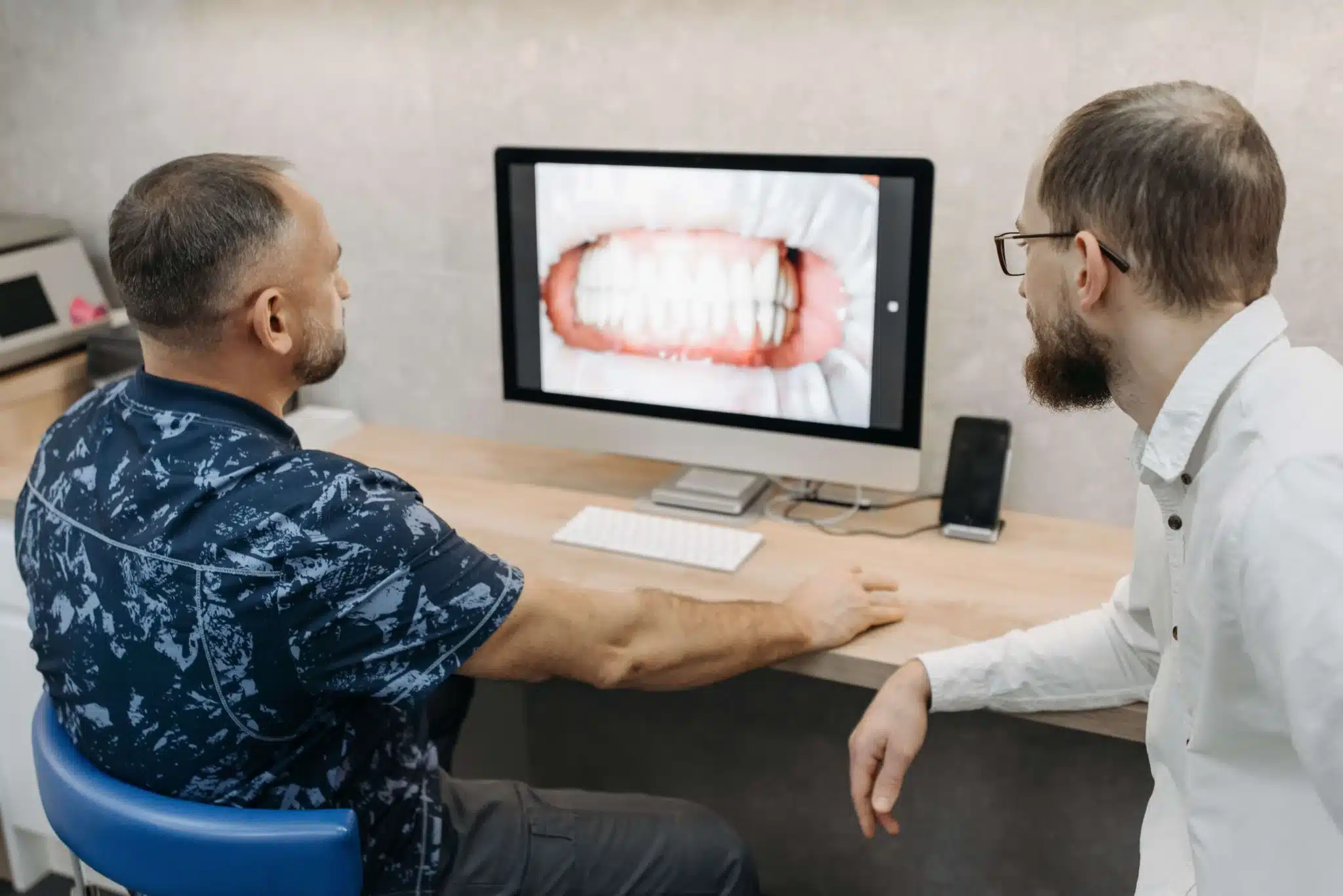
Regular oral cancer screenings are an important part of protecting your health and detecting potential concerns as early as possible. Including this simple examination in your routine dental visits can provide reassurance and support long-term wellness. Jaffe Dental Group is committed to providing comprehensive preventive care, including oral cancer screenings, to help patients maintain healthy smiles and overall well-being. Schedule your next dental appointment today and take an important step toward protecting your health.
Related Posts