After getting porcelain veneers, choosing softer foods and avoiding extremely hard or sticky foods can…
How Do Dental Implants Restore Missing Teeth?
Dental implants can replace missing teeth with restorations designed to look and function like natural teeth. For patients considering Brownstown dental implants, understanding how implants work and what treatment involves can help you decide whether they may be right for you.
 How Do Dental Implants Work?
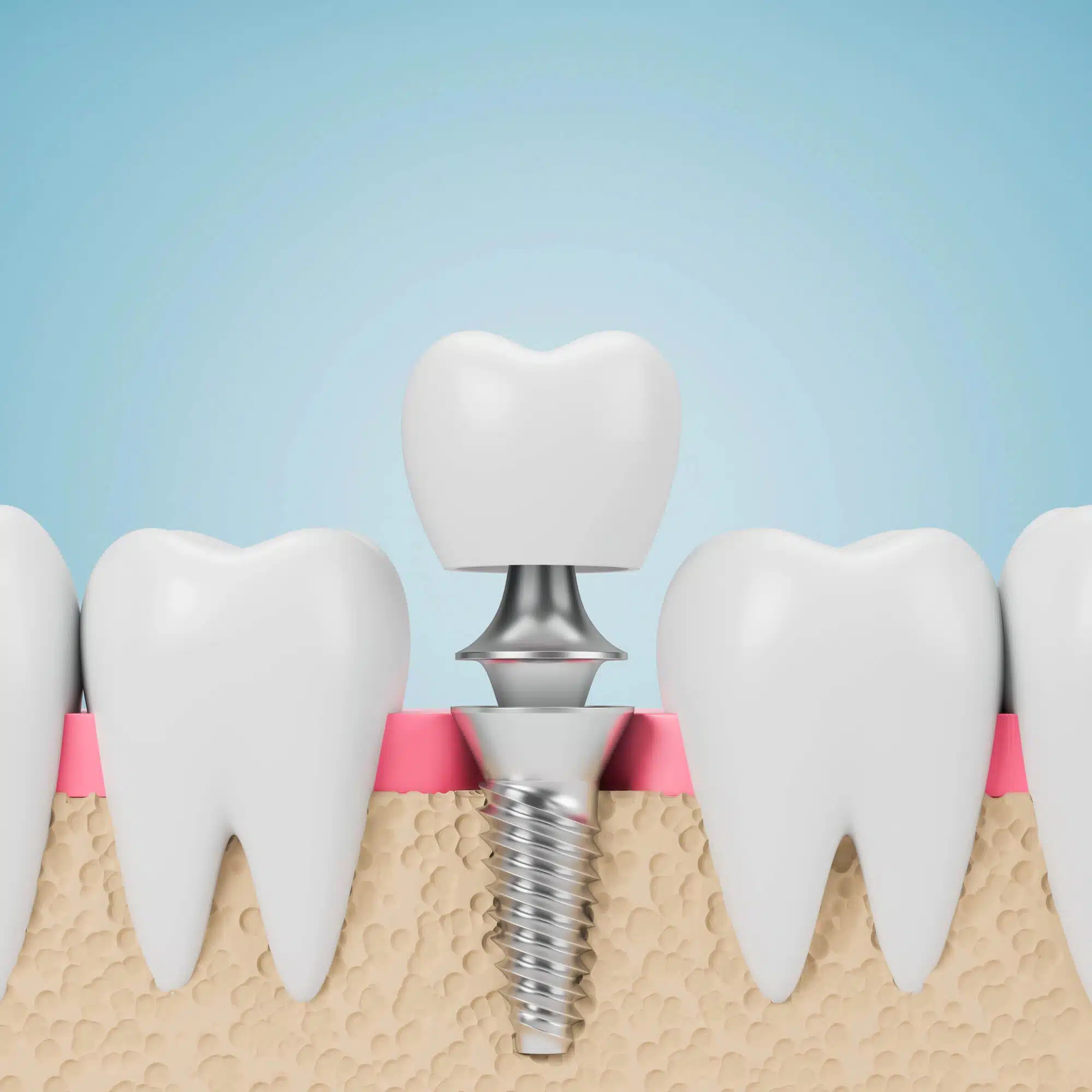
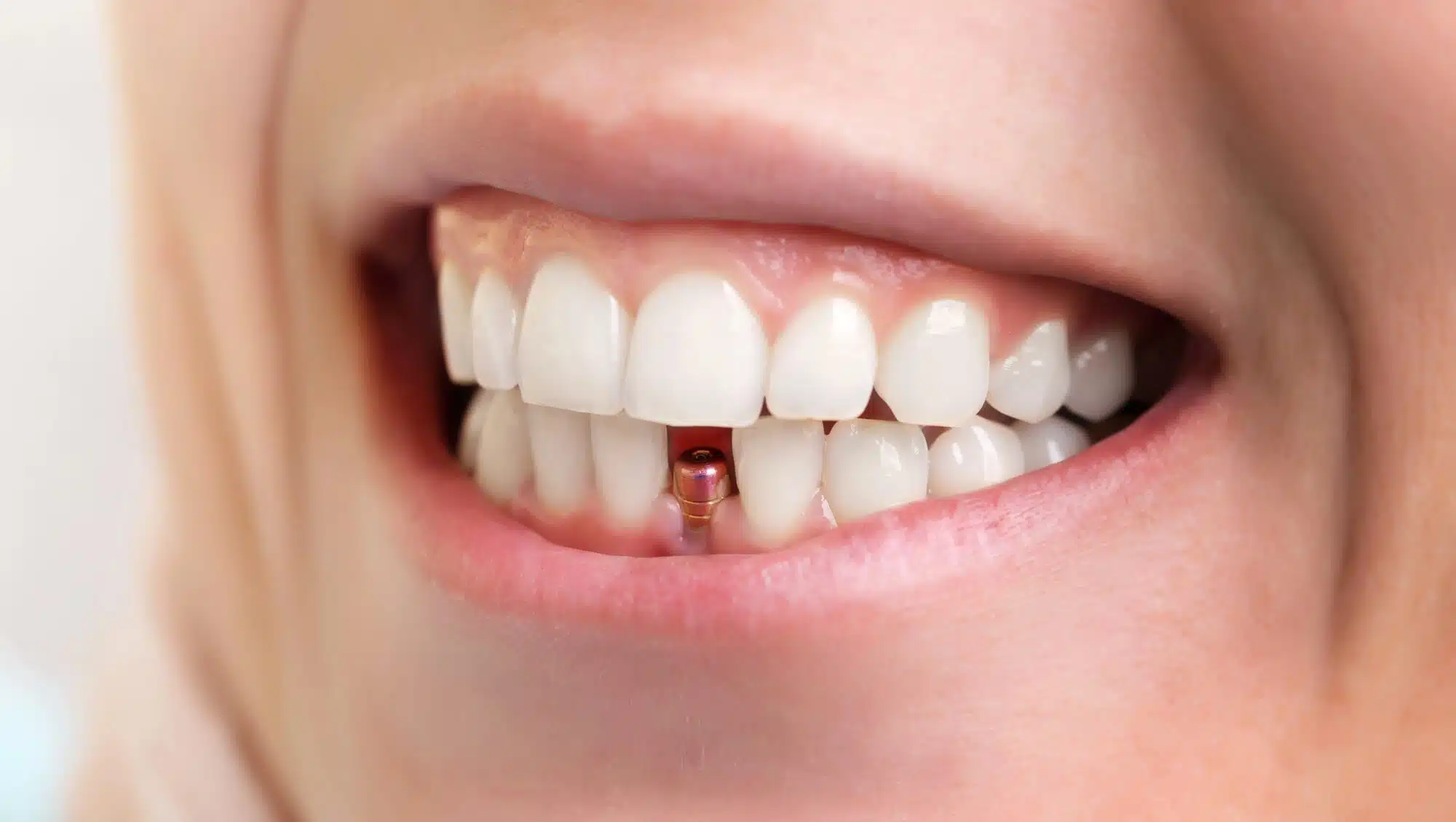
Dental implants are designed to replace missing teeth by using an implant post as a foundation for a dental restoration. The implant is placed into the jawbone, where it can integrate with the surrounding bone over time. Once the treatment is complete, a restoration such as a crown can be attached to replace the visible portion of the missing tooth.
Unlike removable dentures, implants are anchored in the jaw. This can provide stability when speaking and chewing while helping restore the appearance of your smile. Your dentist will evaluate your oral health and jawbone before determining whether implants are an appropriate option.
What Are the Benefits of Dental Implants?
Dental implants can provide both functional and aesthetic benefits for patients with missing teeth. They are designed to function as stable tooth replacements while supporting a natural-looking smile.
Potential benefits include:
- Replacing one or more missing teeth
- Providing a stable tooth replacement
- Supporting a natural-looking smile
- Helping maintain jawbone structure
- Avoiding removable appliances in some cases
The benefits and expected results vary depending on your individual dental needs. A consultation allows your dentist to develop a treatment plan based on your oral health and goals.
Who May Be a Candidate for Dental Implants?
Dental implants may be an option for adults who have lost one or more teeth and have adequate jawbone support. Healthy gums and good overall oral health can also contribute to successful treatment.
Some patients may need additional procedures before implant placement. For example, bone grafting may be recommended when there is not enough bone available to adequately support an implant.
What Happens During Dental Implant Treatment?
Dental implant treatment typically involves several stages. Your dentist will first evaluate your teeth, gums, and jawbone before creating a personalized treatment plan.
The implant is then placed into the jawbone and given time to integrate with the surrounding bone. After healing, the final restoration can be attached to complete the replacement tooth.
How Long Do Dental Implants Last?
Dental implants are designed as a long-term tooth replacement option. Their longevity can depend on factors such as oral hygiene, regular dental care, overall health, and habits that may affect your teeth.
Brushing, flossing, attending dental appointments, and following your dentist’s recommendations can help maintain your implants. Proper care is important for both the implant and the surrounding gums.
How Should You Care for Dental Implants?
Caring for dental implants involves maintaining good oral hygiene every day. Brush twice daily and clean between your teeth to help keep your gums and remaining teeth healthy.
Regular dental visits also allow your dentist to monitor your implants and surrounding tissues. Avoiding habits such as chewing on hard objects can also help protect your restoration. 
Schedule a Consultation for Brownstown Dental Implants
If you are missing one or more teeth, dental implants may provide a stable and natural-looking replacement option. A consultation can help determine whether implants are appropriate for your oral health and explain what your treatment may involve.
Jaffe Dental Group can help you explore personalized dental implant treatment and take the next step toward restoring your smile. Schedule your consultation today.
Related Posts