After getting porcelain veneers, choosing softer foods and avoiding extremely hard or sticky foods can…

How Nighttime Teeth Grinding Can Quietly Damage Your Oral Health
Teeth grinding often happens silently during sleep, but its effects can significantly impact long-term oral health and comfort. Many patients first notice jaw soreness, headaches, or worn teeth before realizing they need help from a dental office in Brownstown.
Bruxism, or chronic teeth grinding, can gradually damage enamel, strain jaw muscles, and create persistent discomfort if left untreated. Recognizing the signs early allows patients to protect their smiles and maintain overall dental wellness.
What Is Bruxism and How Does It Affect Your Teeth and Jaw?

Bruxism is the involuntary grinding or clenching of teeth, often occurring during sleep but sometimes during stressful moments throughout the day. While it may seem harmless at first, repeated grinding places excessive pressure on teeth and surrounding structures.
For many individuals, the experience begins subtly, such as waking up with mild jaw tension or occasional headaches. Over time, this pattern can progress into noticeable tooth wear or jaw discomfort. Bruxism does more than affect the teeth; it can also impact jaw joints, facial muscles, and overall bite alignment.
What Damage Can Bruxism Cause Over Time?
Untreated bruxism can gradually lead to several oral health complications. Because grinding creates consistent friction and pressure, teeth and surrounding structures become vulnerable to damage.
Common effects of bruxism include:
- Flattened, chipped, or cracked teeth
- Increased tooth sensitivity
- Jaw pain or stiffness
- Frequent headaches or facial soreness
- Damage to dental restorations
Addressing these concerns early helps prevent long-term dental complications and reduces discomfort.
What Causes Teeth Grinding?
Bruxism can develop due to several contributing factors. Stress and anxiety are among the most common triggers, as emotional tension often manifests physically during sleep. Bite misalignment, sleep disorders, and certain lifestyle habits may also increase the likelihood of grinding. Because causes vary from person to person, dental evaluations help identify the root factors contributing to bruxism.
How Is Bruxism Diagnosed and Treated?
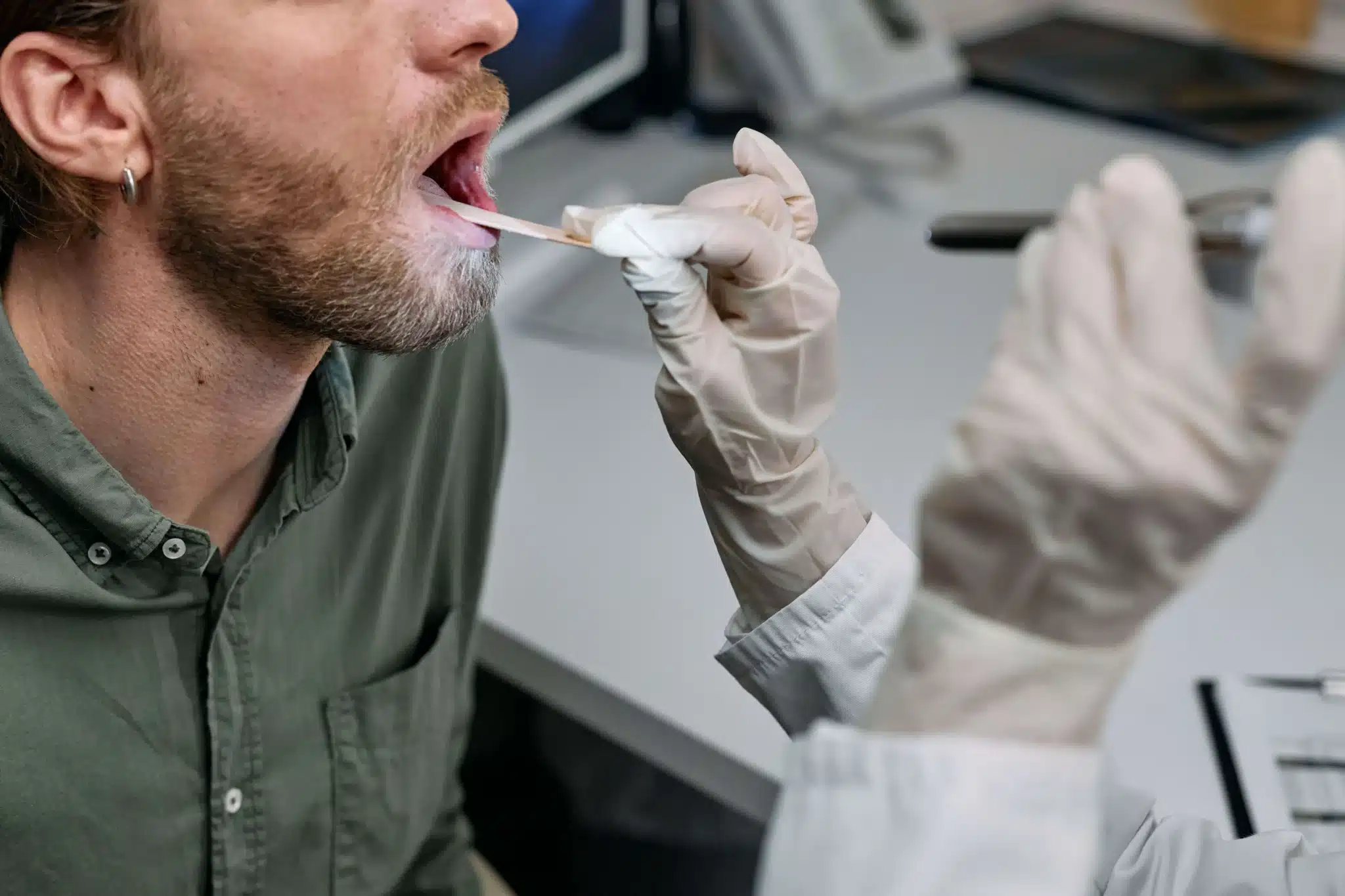
Diagnosis typically begins with a comprehensive dental examination. Dentists look for signs of enamel wear, jaw tenderness, and bite irregularities. Patients may also be asked about sleep patterns, headaches, or jaw discomfort to better understand the severity of grinding.
Treatment focuses on protecting teeth and reducing strain on the jaw. One of the most common solutions is a custom nightguard designed to cushion teeth and prevent direct grinding during sleep. These appliances are tailored to fit comfortably while providing effective protection.
Can Bruxism Be Managed With Lifestyle Adjustments?
In many cases, lifestyle changes can support professional treatment. Patients may benefit from stress management techniques, improved sleep routines, and avoiding habits that place additional strain on the jaw. Maintaining regular dental visits allows dentists to monitor progress and adjust treatment as needed.
Protect Your Smile and Comfort by Visiting a Dental Office in Brownstown
If jaw pain, headaches, or worn teeth are affecting your daily life, seeking care from a trusted dental office in Brownstown can help prevent further damage. Early diagnosis and personalized treatment help protect your teeth while improving overall comfort and function.
Jaffe Dental Group provides compassionate, professional care to help patients manage bruxism and maintain healthy, comfortable smiles. Schedule an appointment today to take the first step toward protecting your oral health and improving your quality of life.
Related Posts